

AMPM Centro America poised to expand convenience footprint in Central America


AMPM Centro America, the Central American headquartered convenience chain, is expanding its footprint in the region and leveraging three key facets: market consolidation, digital communication and NACS’ Executive Education Programs.
For Pablo Andonie, AMPM Centro America president and a 2020 NACS Master of Convenience, there’s a sizeable opportunity at stake in the seven countries of Central America: Panama, Costa Rica, Nicaragua, Honduras, El Salvador, Guatemala and Dominican Republic.
“Convenience in Central America is a special market because convenience stores have not yet flourished as they have in Europe, Asia or North America. We still have a lot of room to grow,” he says.
While brands such as 7-Eleven and Circle K dominate in North America and Oxxo leads in Latin America, the market in Central America remains fragmented with many brands represented but relatively low store counts per country.
AMPM Centro America, which was only established in 2013 and has the AMPM brand for all countries except Costa Rica, operates 45 convenience stores in Nicaragua and two in Panama with plans to grow to 10 stores by 2021.
According to Andonie, store roll out plans have been delayed due to the Covid-19 pandemic but “we still believe we can grow”.
Andonie reckons there’s potential for at least 3,000 stores in the whole region, up from 850 currently; and AMPM Centro America is targeting every country. Presently just Puma with its Super7 brand (145 stores) and Pronto (195 stores) are the only players operating in all various countries.
Market consolidation, a decline in traditional trade and growth in modern retail, will help drive AMPM Centro America expansion.
While modern retail, including supermarkets and convenience stores, has up to a 40%-50% share in parts of Central America, traditional mom and pop stores – similar to the tiendas of Mexico – remain strong in the north of the region.
“We still have a lot of traditional market, so there’s a big opportunity for change and for businesses that grow to consolidate the industry,” states Andonie.
He makes a clear distinction between convenience and proximity stores, however.

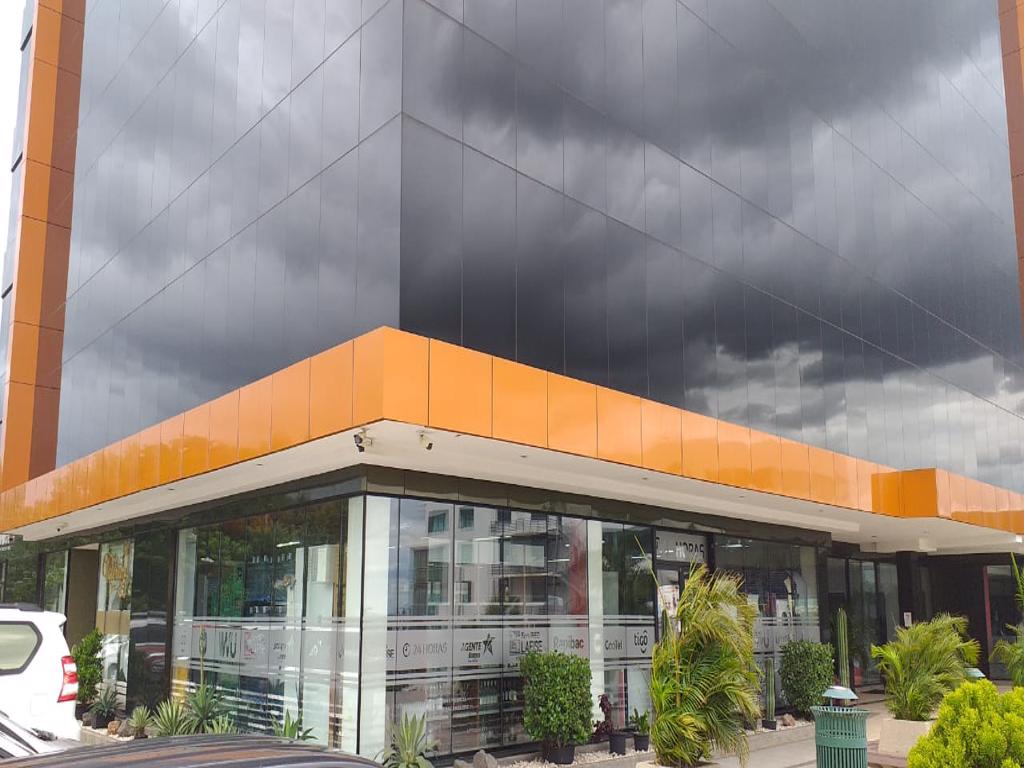
The former are typically forecourt and high traffic locations. Proximity stores, such as those targeted by AMPM and Oxxo in Latin America, are stores that are beginning to replace the traditional tiendas. But the same brand can straddle both formats, Andonie adds.
In terms of shopper behaviour, Central American consumers make both planned and daily purchases, Andonie reports.
Planned missions involve lists and weekly or fortnightly trips to the supermarket and to club wholesalers.
Daily missions are for purchasing a beer, snacks, soda on-the-go or for staples like ham or bread. Scroll back five to 10 years and daily missions were conducted at supermarkets, as there was no convenient alternative. Today, convenience stores fulfil that mission, saving shoppers valuable time. Crucially, convenience stores such as AMPM are strong on services too, including Western Union, cash withdrawals and bank deposits. “Services are an important part of our business. AMPM is a one-stop shop in services and products,” Andonie says.
Covid-19 impact and digital trend
While the AMPM business has been impacted by the Covid-19 pandemic, it’s been fortunate to operate in an industry providing first-demand products and meeting basic needs. “The consumer goods industry has had to adjust but it’s not been as seriously impacted as other industries such as tourism, travel, hospitality and fashion,” says Andonie. “It’s important to be clear, we’ve been a fortunate industry in this situation.”
The pandemic has, however, accelerated a number of trends and AMPM initiatives.
Third party delivery, which pre-Covid represented just 1% of AMPM sales, has quintupled. Consumers are way more focused on digital and social media platforms, Andonie adds.
That’s good news for AMPM with its 200,000 Facebook followers and it has seized the opportunity that presents to both communicate with customers and market the business digitally.
The retailer has used Facebook and increasingly Instagram (1,000 followers before the pandemic and 7,000 followers to date) to showcase its social distancing measures and cleaning/sanitisation procedures, for example. This includes a new ‘medical brigade’ of supervisors visiting stores to make cleaning and safety checks.
“People are using more social media right now, which makes it easier to communicate to clients and communication is easier for us as our main competitor only has 60,000 followers,” Andonie says.
AMPM has kept abreast of the impact of the pandemic on the convenience sector and the trends reported by NACS but reports to have been less affected than other countries in the world.
“Our lockdown has been less strict than other places. There have been fewer transactions but a bigger basket or drop size. Sales have been impacted but the impact has been digestible from March through to June. Right now we are not booming but we are recuperating our sales levels,” Andonie reports.
Like elsewhere, coffee and food to go – the higher margin categories – have been hit. But Andonie is pragmatic. “I have information on QSR in our countries and they are down 40-50%, while we lose 5-10%. We’ve also had increased costs due to new essential equipment such as sanitisers and face masks but, in a deeply impacted world, we cannot complain.”

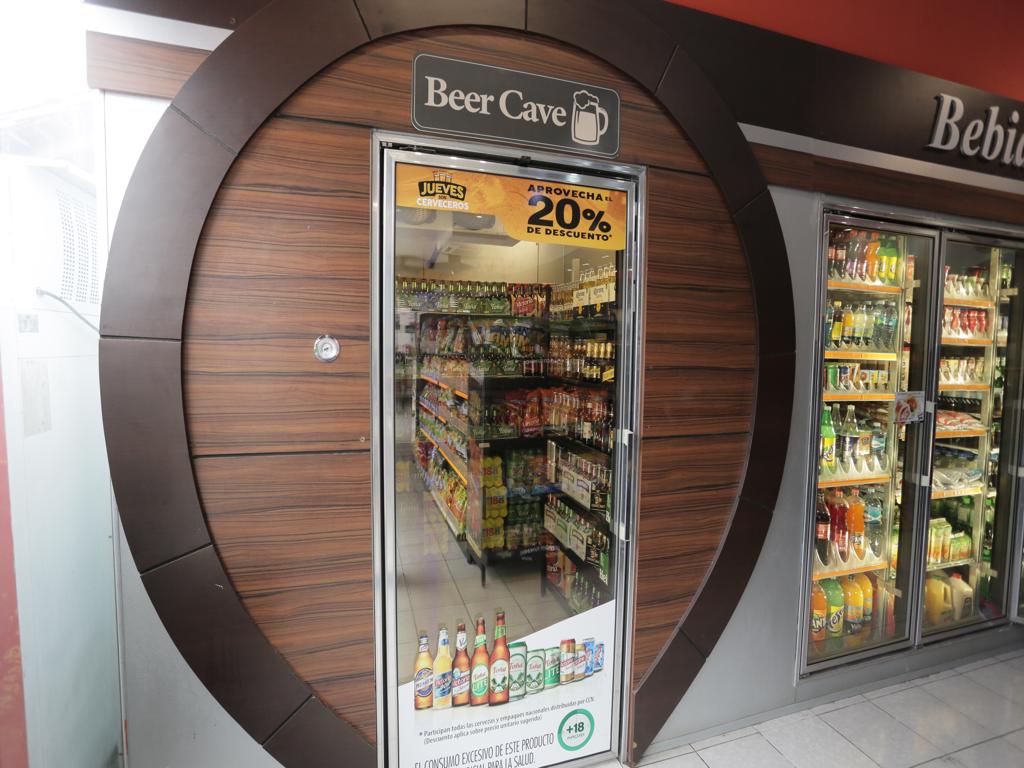
All locations offer in-store seating. AMPM owns its own production facility and produces its own bakery as well as grab and go products and customers were encouraged to take out during the height of the pandemic. Now that the virus is starting to slow, especially in Nicaragua, people are returning to more normal behaviours and going out to eat.
Andonie reckons some shopper habits will be retained post pandemic with delivery remaining at current levels but determined by the number of locations in any particular market. In Panama, for instance, delivery accounts for double digit % of sales since there are fewer AMPM stores.
“When you grow stores delivery goes down as a percentage of sales,” Andonie says.
An app, which was on the drawing board prior to the pandemic, is still planned but will need to add value to be viable.
The business is currently recruiting people to work on the mobile app project. “We don’t see it as a miss in sales or profitability,” says Andonie. “We are not suffering, so there’s no pressure on this project and it will be late but nobody in the c-store market has it, so it’s not that bad.
“If we had done the app, as we did with Facebook growth, we would have further differentiation from the competition,” he says.
Experience and team


AMPM has reaped the benefits of an experienced and stable team during the pandemic, Andonie reports.
He founded the business seven years ago and the majority of his senior management team has been present for the last four to five years and his second in command for the duration.
“Most have more than four years’ experience so have been around in 70% of our lifetime so really look upon the company as their own,” Andonie says.
Numerate and technologically adept, the team has adapted very quickly to the new way of working created by the pandemic with Zoom used for store checks as well as calls etc.
Again, Andonie believes it gives the business an advantage over its competitors. “We know our competitors have had a lot of turnover at the top and are not as integrated as we are,” he says. “Our projects get done because of the cohesion in our senior team. If there is order in the top management, it filters down.”
Prior to founding AMPM Centro America, Andonie worked at his family business, starting out as an IT technician but working his way up the ranks to systems manager, financial manager and finally general manager at a division specialising in consumer goods and pharmaceutical products.
At the age of 32, he and his wife decided to go it alone. Fascinated by both consumer goods and retail, due to the consolidation opportunities in Central America, Andonie spied an opening for convenience stores, a new channel at the time. AMPM was launched with a vision to become the number one player in Nicaragua by 2020.
On target to reach 50+ stores by year 2020, AMPM is now targeting other countries in Central America.
“There’s an opportunity to grow in other places now. We are starting the internationalization of the company, first to Panama and then to other countries in the region,” Andonie says.
While the majority of sites are standalone convenience stores, AMPM has ventured onto the forecourt with a couple of stores in Nicaragua and is eyeing more rural locations where it could open.
NACS Education and shared learning
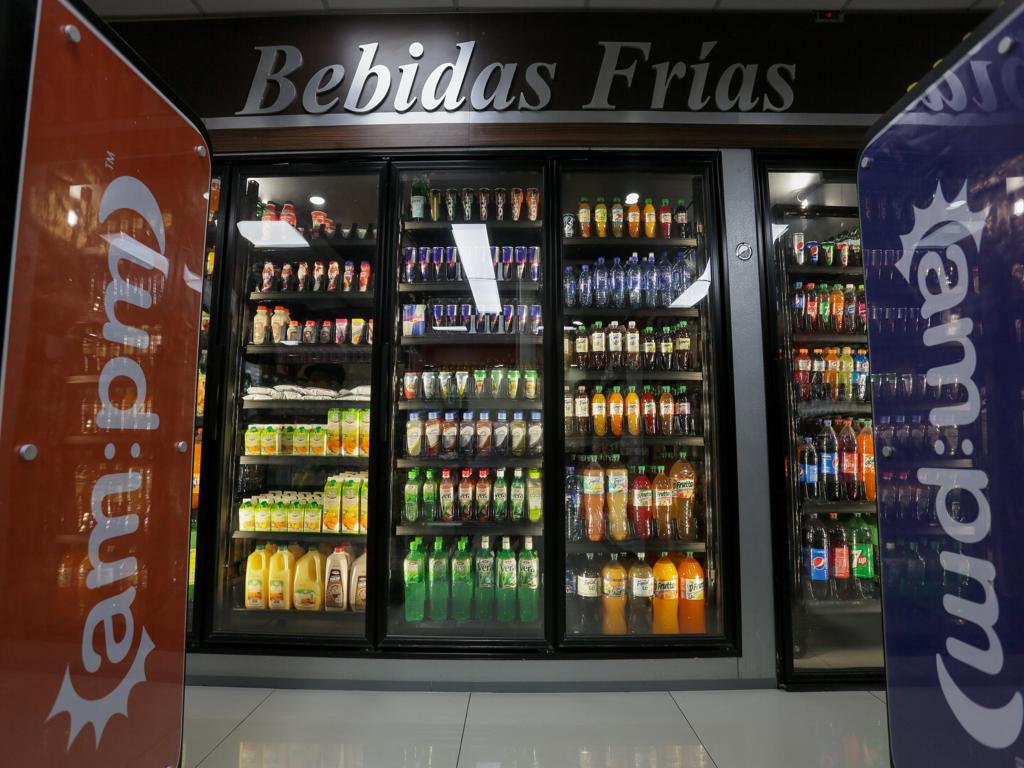
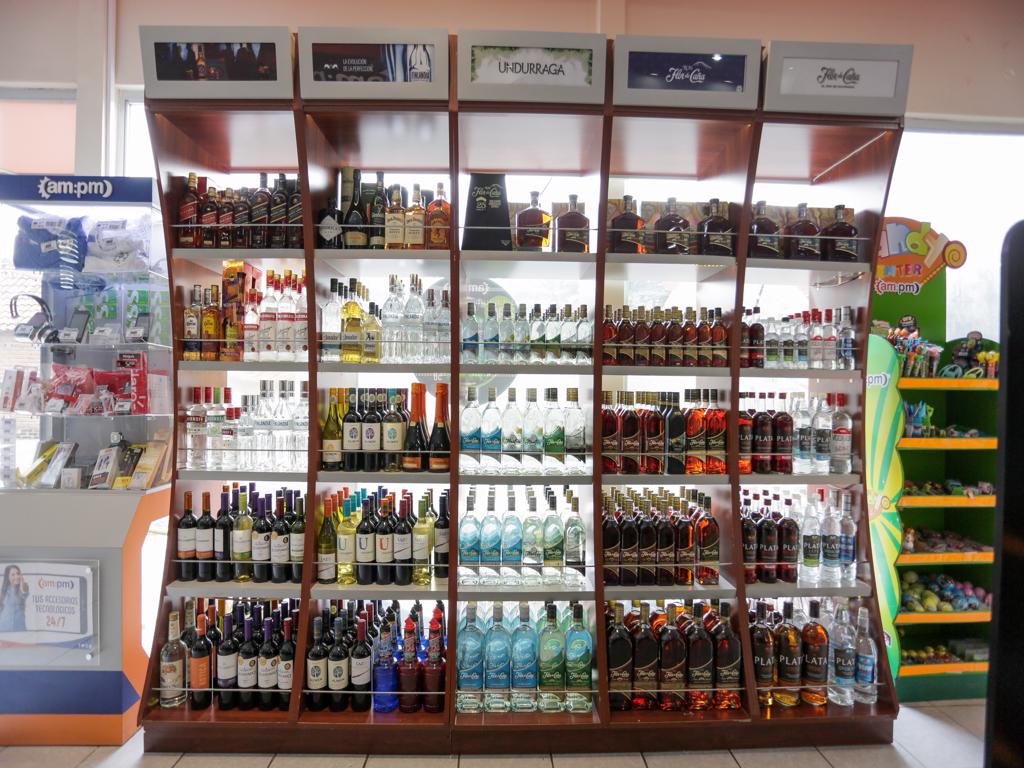
AMPM Centro America and Andonie in particular have drawn on NACS as a significant resource since the early days of the business’s inception.
Andonie was highly experienced in consumer goods but convenience and modern retail was an unknown in Central America 10 years ago.
As an independent operator with no franchise support, AMPM Centro America had to do a lot of testing to see what worked and what did not, Andonie recalls.
“We did not have a template on how to do business, so we started the relationship with NACS in 2014 when we had five stores,” he says.
Andonie visited the NACS Show. It was a big game changer, he says. It showcased the importance of foodservice and offering higher margin products versus depending only in tobacco and beer, for example.
He also benefited from NACS’ sizeable information pool, its conventions and events and made the decision to attend all the organization’s Executive Education programs, resulting in his designation as a NACS Master of Convenience earlier this year.
“I was looking for something to update my education and I think that this was the best thing for me and my industry,” Andonie says.
The calibre and reputation of the partnering universities on the programs – Wharton, Northwestern, Cornell, and MIT – was another draw.
“I took all of the courses to gain a lot of understanding of the business and to implement learnings in the business. I also know what the courses are all about and can send team members on a specific course, knowing which are going to be good for each person.”
What Andonie values most, however, is NACS’ role in disseminating information and providing great networking opportunities among retail professionals.
“In Central America we don’t have that much information or professionals in the convenience store industry. NACS has done a great job consolidating this information and disseminating it for all members,” he says.
The companionship among people in the industry is another standout for the AMPM executive, alongside the generosity with which they often share tactical and strategic business information on a NACS’ facilitated platform. “They are not worried about rivals robbing their ideas – it’s all working together to thrive. I believe
Henry [Armour] has done an impressive job in this aspect,” Andonie concludes.
Pablo Andonie featured in a Shop Talk LIVE panel discussion, focused on Professionalising our Industry on 4 September. Click here to watch.

