

What now for convenience industry with PDI’s CEO Jimmy Frangis

For more than 37 years, PDI has helped convenience retailers and petroleum marketers transform their business and thrive with a broad solutions portfolio. PDI is at the forefront of industry trends and well positioned to comment on “what now?” in the context of the pandemic. Here are some key thoughts from their CEO Jimmy Frangis.
What do you see as the key themes coming from retailers at the moment?
The primary theme I see coming from convenience retailers is responding to the changing needs of their employees and customers. Remaining agile and adapting to constant change throughout this time is top of mind for many of our customers. Until now, convenience retail has served consumer demand for immediate consumption goods and quick service items to help them get on with their day. As a result of the pandemic, we see the basket size increase as consumer behavior shifts away from immediate consumption only purchases. We are also seeing the need to support different fulfillment options (e.g. order ahead, curbside pickup, delivery, etc.). The convenience retail industry is fast-paced. But as nimble as the industry is, I don’t think anyone could’ve anticipated the challenges we’ve faced this year and how that would require us to respond as quickly, aggressively and sweepingly as we have to meet the changing needs of consumers. It has been quite a feat, and we’re all learning and growing together.
What are the key things to help customers?
As I mentioned, I’ve seen a return to what I’d call the neighborhood or community store. People’s buying habits have changed, and in many cases, they’re using convenience stores to purchase essential items rather than the grab-and-go items. So, how should convenience stores respond?
The number one thing consumers care about right now is health and safety. Sneeze guards for your manned check-out counters, flexible payment options like contactless, order ahead and delivery, increased in-store cleaning or disposable gloves at the pump, the latter of which is something German stations were doing before the pandemic-all of these are important.
Next, know what your customers want. There’s nothing worse for a consumer than arriving at a store only to find out that certain items are out of stock, or that inventory hasn’t been adjusted to accommodate for these unusual times. At this point, much of convenience retailers’ historical data or seasonal trends are unreliable. So, what do they need? Real-time, basket-level data. This allows retailers to gain immediate visibility into what consumers want and need as their expectations are changing. Having data like that is powerful and can really set retailers apart in times of crisis.
How have consumer attitudes changed? How do retailers react to this?

Throughout the pandemic, we have been partnering with NACS to publish a consumer behavior report that tracks customer buying trends across the U.S. Now, while this data pertains to the U.S., I think the trends are far reaching. So, here’s what we’ve seen. Generally speaking, trips are down, but basket spend is up. The year-over-year change was even more pronounced at the height of the pandemic in April, but with recent increases in cases, particularly in the U.S., we’re continuing to see that pattern. That tells us that people are making fewer trips, but they’re buying more during each trip, which speaks to a change in consumer behavior. The immediate consumption purchases we typically see in the industry are down. In other words, the value or meaning of convenience has changed-even if it’s just for the moment. Yes, it’s still about getting in and out quickly, but convenience is also about making fewer trips.
To accommodate this, once again, retailers need to know and have what consumers want, and offer useful promotions. Right now, try and focus your offers on larger items like “family-sized” or “multi-pack” because that is the way many customers are shopping. Also, consider items such as chocolate, soda packs and alcohol that appeal to people’s need for comfort and indulgence.
Lastly, we recently released our 2020 C-Store Shopper Report. In addition to showing what’s top-of-mind for retailers around the world, it also paints a pretty clear picture what consumers value and want in a loyalty program, from the communication they prefer to the technology they want to use. It’s just another touchpoint from which retailers can glean the necessary insights to provide better, personalized, differentiated experiences for their consumers.
What are your thoughts around the increased implementation of technology during the pandemic?

Last year, Drew Mize, the executive vice president and general manager of ERP Solutions at PDI, talked about the last mile delivery problem at our Users Conference. COVID-19 has accelerated the need for retailers to solve that challenge. Not only are retailers implementing order ahead and delivery technology faster than many thought possible, but I think that added convenience has permanently altered customer expectations. And while I think that’s a good thing, having an integrated offering that’s connected to your ERP and back office systems will enable broad adoption and scale. In fact, it’s part of the reason we partnered with Vroom Delivery earlier this year.
Consumers also want a variety of payment methods, including mobile. That’s why we recently acquired ZipLine, a leader in mobile payments. Combining payments and loyalty into one solution is a great way to connect with consumers, and retailers are increasingly realizing the value, especially now. We want to provide our customers with the solutions they need to deliver the best possible experiences for their customers.
How important is giving back to local communities and recognizing frontline workers? How do retailers leverage this?
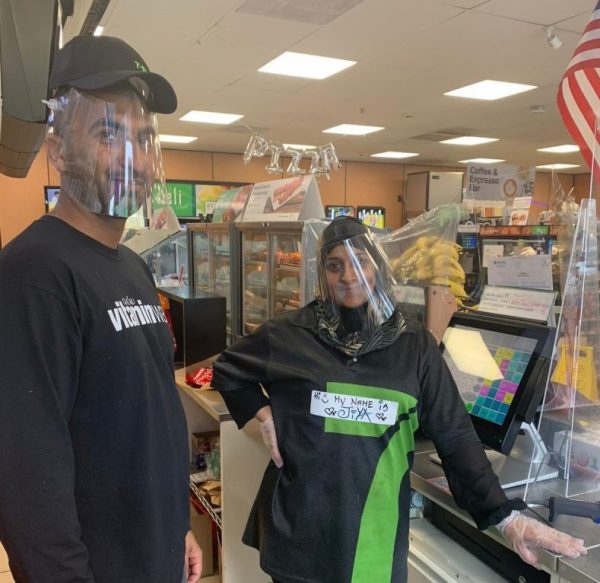
Just around the time the pandemic was really picking up, Mark Cuban said that how companies treated their employees during this time would define their brand in the future. I think he was exactly right, but I would extend that sentiment to communities. For example, Applegreen provided free fuel to Blood Bike Leinster volunteers; EG Group gave hot beverages to NHS workers and Chevron worked to deliver medical supplies to hospitals in Thailand. Whether you’re offering delivery to elderly residents, hazard pay to employees or giving healthcare workers a free coffee, our industry must continue to help the communities we serve. I would say that spirit of generosity already exists among convenience retailers. I know I’ve certainly seen it on display for years. And now, it’s more important than ever that we lend a helping hand. The world is watching, and the world will remember the businesses that showed up when it counted.
How has PDI had to adapt during Covid?
Here at PDI, we’re doing what we’ve always done: helping solve our customers’ challenges. How we’re doing that may have changed, but the goal is still the same. When COVID-19 made historical and trend data practically irrelevant, we started putting out our consumer behavior report to give retailers basket-level insights into what their customers were purchasing. Similarly, we began publishing a weekly fuel trends report to so retailers could see how fuel volumes were performing across North America. We also added store clustering capabilities to our back office solution. This feature is a game-changer for convenience retailers who need centralized control, visibility, and reporting as well as operational flexibility. And when our customers told us they needed an order ahead and delivery solution to serve their customers better, we partnered with Vroom Delivery to make that a reality. Those are just a few examples of how we’re helping customers meet the challenges of the times head on. Our goal is to be a true partner in their business, provide end-to-end visibility across their businesses, and deliver the solutions they need to solve the problems they’re encountering on a daily basis.
What does the future look like? Are you optimistic?

I am optimistic about the future. Over the years, we’ve all heard numerous times that the convenience retail industry is recession proof. While I don’t know that anyone can state that with certainty, I do think we are weathering this particular storm fairly well. A large part of that resilience has been due to governments in general designating convenience stores as essentials businesses, so they’ve been able to stay open throughout the pandemic. That allowed them to become the kind of community store or neighborhood store I referenced earlier. However, I don’t necessarily see us fully returning to pre-COVID-19 levels of demand and consumer confidence in the near future. A viable vaccine would probably have the biggest positive impact in that regard. In the meantime, convenience retailers have to continue doing what they’ve been doing: being incredible partners to the communities they serve. And companies like PDI will continue to help them do that.
