

SPAR International interview: Dan sits down with David Moore

As global food retail continues to evolve, convenience operators are navigating a complex terrain shaped by shifting shopper behaviours, technological transformation, and economic pressures. At the heart of this dynamic landscape is SPAR International, which grants licenses to operate the SPAR brand to organisations in 48 countries with more than 13,800 multi-format stores. David Moore, International Retail & Development Director and Member of the International SPAR Board, sat down with Dan Munford to share insights on SPAR’s global strategy and the future of food retail.
How would you describe the current global retail landscape? What overarching trends are shaping the industry, and how is SPAR International positioned within this environment?
The global food retail landscape is evolving rapidly, shaped by changing shopper behaviours, cost and margin pressures, accelerating technologies such as AI and automation, environmental and regulatory dynamics, and ongoing geopolitical and economic uncertainty.
SPAR International and our licensed partners remain focused on building both resilience and adaptability. Across our 48 global markets, we operate 13,800+ multi-format stores, including over 10,000 neighbourhood SPAR supermarkets and more than 1,500 ultra-convenient SPAR Express stores. We are strongly positioned and at the heart of the international communities and neighbourhoods we serve.
Our collaborative culture, captured in our ‘Better Together’ philosophy, fosters international knowledge-sharing across critical disciplines including supply chain, data, e-commerce, marketing, sustainability, product innovation and retail operations.
This collaboration is particularly evident in our international approach to purchasing and procurement, responding to customers’ demands for greater personalisation, value, and convenience both online and in-store.
SPAR Own Brand ranges, developed both internationally and locally, play a central role in driving customer loyalty, offering exclusivity, expanding choice, and improving retail margins. Additionally, by effectively leveraging loyalty programmes, tailoring promotional campaigns, exploring retail media opportunities, and optimising every retail channel, SPAR Internationally is well-positioned to continue to thrive in today’s complex global environment.
Which markets are performing particularly well for SPAR International? Are there any standout regions that have shown notable resilience or growth over the past year?
SPAR Austria continues to lead as the number one food retailer in the country, with a 36.9% market share. Moreover, Austria SPAR International Group (ASPIAG)’s operations in Hungary, Slovenia, Croatia, and Northern Italy each rank among the top three players in their respective markets.
Our European footprint has expanded further through the awarding of a license to the Tokmanni Group in Finland, marking SPAR’s re-entry into the market in 2025 with a focus on fresh foods and SPAR Own Brand products.

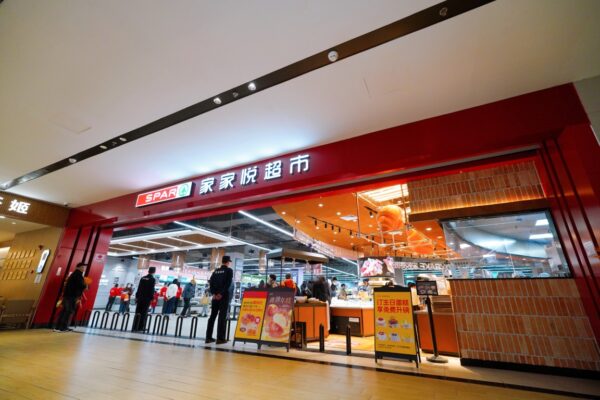
In Central Asia, we are seeing promising growth following recent market entries in Kazakhstan and Kyrgyzstan (2022–2023), with further plans to launch in Uzbekistan by late 2025. SPAR China also continues to grow steadily, now operating over 330 large-format stores with strong sales in both Shandong and Guangdong provinces.
In the Balkans, SPAR Albania has surpassed 90 stores and now serves 50,000 customers daily. Investment continues, with further expansion expected in 2025. The region shows further potential, particularly in Kosovo and neighbouring markets.
In Africa, SPAR Angola saw a 77% increase in sales in 2024, growing from 24 to 38 stores. We have also expanded into Rwanda, reinforcing SPAR’s presence across the African continent.
What are some key challenges facing SPAR retailers in different regions? How do these vary across markets, and what strategies have been effective in overcoming them?
SPAR retailers globally face a range of operational challenges that have intensified since 2020. These include rising inflation, increased operational costs, heightened price sensitivity, supply chain disruptions, labour shortages, and growing regulatory pressures.
To address these issues, SPAR country organisations have continued investing in logistics and supply chain infrastructure. New logistics centres have been developed in Austria, Croatia, and China, and local sourcing has been boosted with new production facilities in both Georgia and Poland.
To address talent shortages, SPAR Austria—one of the country’s largest employers, has launched a training academy in Vienna offering structured development and career progression. Across markets, we focus on succession planning, staff retention, and skills development through our network of family-run enterprises.
In regions such as the Balkans and Southern Europe, where labour shortages are acute, SPAR retailers have utilised bilateral labour agreements to successfully integrate workers from Asia and other regions into their operations.
Can you highlight any standout success stories from SPAR retailers worldwide? What innovations or strategies have driven their success?
A notable achievement was SPAR Gran Canaria’s president being awarded EY National Entrepreneur of the Year in 2024, recognising the business’s impact and dedication to local sourcing and community support. The business now operates over 200 stores and has deep partnerships with local farmers and suppliers.

The strength of the independent retail model, a cornerstone of SPAR since 1932, remains vital to our success. In 2024, 63% of SPAR stores worldwide were independently owned. In the UK, generational family retailers form the core of local communities, while in the Netherlands, we are attracting young entrepreneurs through adaptable business models.
Own Brand development continues to be a success story in Italy (16 labels, 4,700 products, 90% local suppliers) and Austria (45% of retail sales are SPAR Own Brand), with these products also distributed internationally. SPAR International also has a comprehensive Core range, benefiting SPAR country organisations through pooling their volumes, enabling them to react to market needs, and co-developing SPAR Own Brand, which is distributed across 4 continents.
We’ve also seen success with new store formats, such as the SPAR Hypermarket in Beijing, developed in collaboration with SPAR International, which combines traditional Chinese culture with Western best practices. In Saudi Arabia, modern convenience stores in transit hubs like Riyadh’s KAFD Metro Station are gaining traction, alongside flagship locations in Kazakhstan and Kyrgyzstan.

What innovations in store formats are you excited by at the moment? How do you see these shaping the customer experience and operational efficiency in the long term?
In response to margin and cost pressures, SPAR retailers are innovating rapidly. Self-service stores are now present in countries like Norway and the Netherlands offering 24/7 access via bank cards or mobile apps, providing customers with flexibility and convenience.
Retail media is a growing opportunity. SPAR Netherlands is leading in this space, leveraging in-store digital platforms to engage shoppers at the point of purchase and generate new revenue streams for brands and retailers.
Loyalty is also central to innovation. SPAR Slovenia now has 1.2 million loyalty members, and the SPAR Austria app has over 2.5 million users, both representing powerful sources of insight and engagement.
Looking ahead, AI-driven, cashier less convenience formats, hyper-local assortments, digital lockers, and experiential retail elements will be critical to the evolution of modern and relevant food retail. SPAR is a people business, we believe in the power of people and our international, connected retail business network, who know their customers personally. The future of food retail will blend digital innovation with the human touch, where technology enhances and does not replace personal connection.
What broader retail trends do you see gaining momentum globally? Are there specific developments in consumer behaviour, sustainability, or digital transformation that excite you?
Consumers are increasingly demanding personalised, seamless shopping experiences, both online and in-store. Digital transformation, particularly AI-enabled personalisation, is creating exciting opportunities for loyalty growth, basket size increase, and customer retention. Social Commerce, especially in China is prevalent and gaining momentum now in Europe.
Younger consumers are less brand-loyal and more trend-driven. There is rising acceptance of private-label products and a growing demand for speed, convenience and healthy solutions, driving the rise of Q-commerce models and mobile-first shopping. SPAR is responding to these trends.
How is SPAR International adapting to evolving customer expectations? Are there particular initiatives or innovations shaping the future of retail within your network?
SPAR customers expect seamless service, healthy choices, and convenience aligned with busy lifestyles. In response, SPAR has expanded its Café concepts in-store, while many competitors have removed them and enhanced our foodvenience and on-the-move offerings.
Health and sustainability are at the heart of our product strategy. SPAR Austria has made significant progress in reducing sugar and salt and eliminating palm oil from its product range. These reforms reflect our commitment to transparency, healthy, responsible consumption and environmental responsibility.

© SPAR Johannes Brunnbauer
What roles do digitalisation and technology play in SPAR’s strategy? How are technological advancements influencing the way your stores operate?
Technology plays a central role in SPAR’s global strategy. It enhances customer personalisation, improves operational efficiency, and reduces waste.
For example, SPAR stores are increasingly deploying smart shelf cameras, AI-powered analytics, and communication systems to monitor stock, reduce out-of-stocks, and optimise inventory in real time. Technology is also key in demand planning and forecasting; this is helping eliminate food waste and increase food retail cash flow.
These tools streamline processes, improve customer satisfaction, and help reduce costs, delivering measurable benefits to both retailers and shoppers.
What are the biggest cyber risks facing retail today? How can businesses prepare for and mitigate these challenges effectively?

Cybercrime, especially ransomware, is a growing threat. Criminal groups are increasingly targeting retailers as part of an organised business model.
Having experienced such threats, SPAR knows that preparation is critical. Key steps include:
- Strong firewalls and authentication protocols, MFA is key
- A robust, continually updated security policy,
- Regular staff training and awareness campaigns, and
- A proactive culture of vigilance.
A tested contingency plan is essential to ensure business continuity in the event of an attack. Companies must “think the unthinkable” and be prepared to respond rapidly. Regrettably, Cyberattacks are not ‘an if, but a when.
Are you optimistic about the future of convenience? What will be the driving force of success going forward?
SPAR remains optimistic about the future of convenience. Our store numbers continue to grow globally, meeting rising demand across neighbourhoods, transit hubs, and fuel locations. The driving force behind future success will be relevance, ensuring stores are digitally connected, physically accessible, and deeply integrated into the communities they serve.
