

Pandemic extends life of petrol forecourt
The life of the petrol forecourt has been extended due to the Covid-19 pandemic but operators will need to adapt the offer to meet changing consumer behaviour and needs.
That was the top takeaway from the latest Shop Talk LIVE, hosted by Insight managing director Dan Munford on 29 August and featuring Sophia Nadur, BP’s eMobility innovation director; Joe Barrett, chief operating officer, Applegreen; Paula Thomas, chief content officer at Liquid Barcodes and Warren Wilmot, CEO, OTR Australia, who also provided the exclusive store tour video above.
Debating ‘The Last Mile & The Future Shape of Convenience and Fuels Retail’, Munford proposed that many of the disruptions impacting the convenience retail market have themselves been disrupted due to the global pandemic with dramatic changes in consumer behaviour
Forecourt resilience

For Nadur at BP, the crisis has extended the life of the petrol forecourt further as 95% of the population lives within 20 minutes of a filling station and more people are using them for buying goods and services.
“Petrol stations have the real estate but they just need to reconfigure it to show changing needs. The pandemic has enabled petrol stations to survive beyond what looked like doom and gloom,” she said.
Barrett agreed. Forecourts have been a robust model through the crisis, he reported.
“Local stores and stations have had a strong performance,” he said, adding that he understands that there are 7 million applicants for driving licences in the UK at the moment. “People are moving away from public transport,” he explained.
Applegreen has reported a surge in sales of certain non-traditional categories during the crisis including firewood, bedding plants and compost. Barrett suggested there were significant opportunities with other product groups.
Applegreen’s larger motorway sites, trading under the Welcome Break brand, were most impacted by the lockdown in the UK market as their respective food offers were closed. Now largely back open again, they are trading well, said Barrett.
Customer numbers are down by circa 15-20% but people are buying significantly more with the average transaction value up by circa 20%. Cash payments have not disappeared completely but more people are paying on card, Barrett added.
He highlighted other wins across the business including Kiosk ordering, which is up by 70%; and drive thru, which is performing well.
“Gas stations have become more a part of the community with growth in grocery, alcohol and cigarettes,” Barrett reported. “That side of the business has grown significantly well.”
Predictions of the death of the filling station have been blown out of the water by the crisis, Barrett surmised. “The pandemic has increased the life of the petrol filling station – it’s been the backbone of the business during the lockdown,” he said.
Wilmot at OTR Australia revealed July was the biggest growth month that he had witnessed in 28 years of convenience retailing. He suggested there was a “post-Covid honeymoon and release”, with sales of cigarettes up 11% and all the retailer’s five QSR brands in growth, despite reduced trading hours.
August was also looking good, he added, but cautioned about the prospects of a long term recession and unemployment. “There are a lot of businesses – restaurants and cafes and big offices – that won’t survive,” he said.
Drive thrus present another opportunity for forecourts, Wilmot said. OTR has been operating drive thrus for some time including five tunnel drive thrus offering QSR. Coffee, a large amount is pre-ordered on the OTR app, and tobacco are both big sellers at these formats, he reported.
Delivered convenience

The panellists explored the growth and future potential of last mile and delivery.
“We have seen strong growth in delivered convenience, particularly in the early part of the pandemic due to a more digital way of working,” said Nadur.
Nadur said consumers were much more comfortable with online ordering – take-outs as well as recipe-based subscription models such as Hello Fresh.
An increased digital work-life meant people had less time to spend cooking.
“Having convenient help has spurred on the industry,” she said.
Nadur predicted a middle ground would be achieved as people “get back out and rediscover restaurants”. Friday or Saturday they may eat out of home but bring finished food home mid week. BP is running various trials at its gas stations as working patterns were very different, she added.
There are also different types of delivery models, including the Starship Technologies’ robots operated by the Coop in the UK, Nadur reminded viewers and she emphasised the importance of last mile engagement. “The last mile is where the customer interfaces with your product,” she said.
EV adoption rates
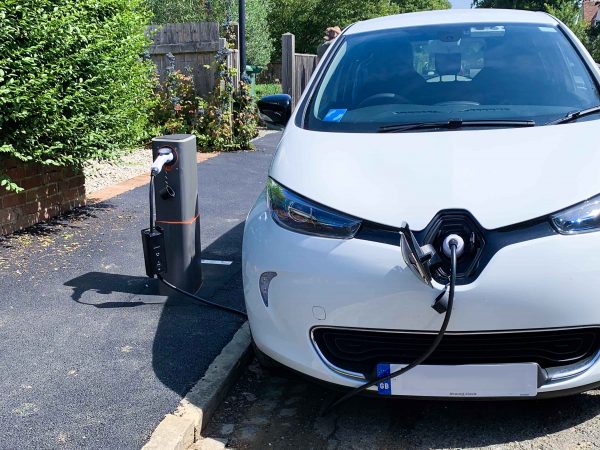
The retail panelists discussed how the pandemic may have impacted the adoption of electric vehicles (EVs).
For Nadur, less pollution would drive interest around cleaner options and more mass market cleaner options are coming onto the market. “There will be growth due to a desire for cleaner, sustainable transport,” Nadur said, but suggested consumers may elect to lease rather than buy an EV.
Barrett agreed the adoption rate was getting faster. “In the cities it is very strong but in the countryside people are more likely to get diesel,” he said.
According to Wilmot, there are still very few EVs in Australia. He anticipated penetration would increase over time but with fuel pricing currently depressed people would be happy to keep driving ICEs.
B2B loyalty

Thomas at Liquid Barcodes presented a B2B opportunity for convenience, which her business has developed with Pressbryan, a leading convenience and kiosk retailer in Sweden and part of the Reitan Group. The digital loyalty programme delivers affordable rewards in physical form, such as coffee or chocolate and provides an opportunity for businesses to “surprise and delight at scale”.
“Pressbyran realised the potential to sell convenience products in bulk to the corporate market and found a solution that’s both easy and effective,” Thomas explained.
Thomas said the programme worked as it fulfilled the trend to micro or everyday rewards, was flexible and affordable, benefited from self-collection, was safe and secure and created a USP for c-store retailers.
Thomas said the programme was incorporated into an existing website and was targeted at key sectors such as banks and insurance companies, media organisations, car dealerships, travel and transportation plus utilities like telecoms.
Pressbyran’s campaigns have focused on treat products such as ice cream, chocolate and coffee and the retailer has chosen to use digital versus printed coupons as they “spread joy and they are constantly developing and think about meeting the needs of tomorrow’s customers”.
“It’s compelling and creative and creating new opportunities,” concluded Thomas.
