

FamilyMart’s flagship upgrade: A new store format for the next generation
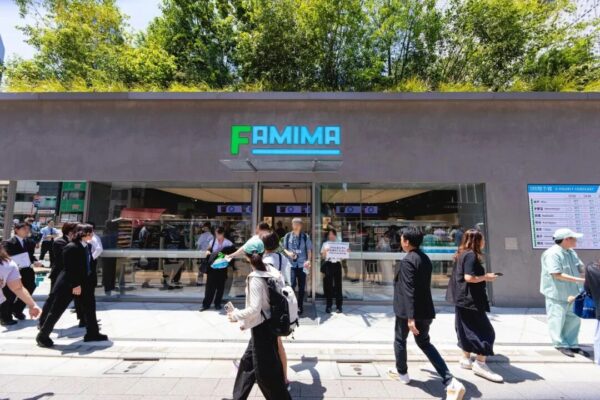
George Zheng reporting on FamilyMart Co.,Ltd. opening its first‑ever flagship store – FAMIMA PARK AZABUDAI – in Tokyo’s Azabudai district. The launch marked FamilyMart’s 45th anniversary and came just one day before the convenience store industry’s 99th birthday (July 11). It was the perfect moment to ask: What will the convenience store look like as it approaches its centennial?

This new flagship represents the latest evolution of FamilyMart’s experimental retail concepts. Back in February 2025, during the NACS Convenience Summit Asia (CSA) store tours, attendees visited two FamilyMart stores – one near Shinagawa Station and another on the 4th floor of the Azabudai Hills tower. Those stores offered a glimpse into the company’s thinking at the time. Now, just over a year later, FAMIMA PARK AZABUDAI takes those ideas to the next level – right down to the ground floor plaza.
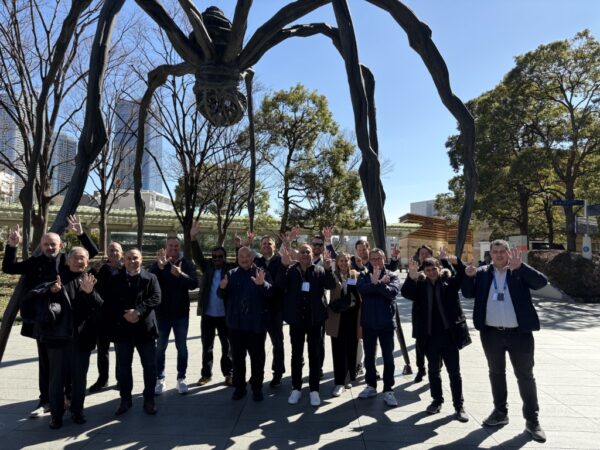
NACS CSA Store Tour Team #6
A Store That Blends the Best of Retail Formats
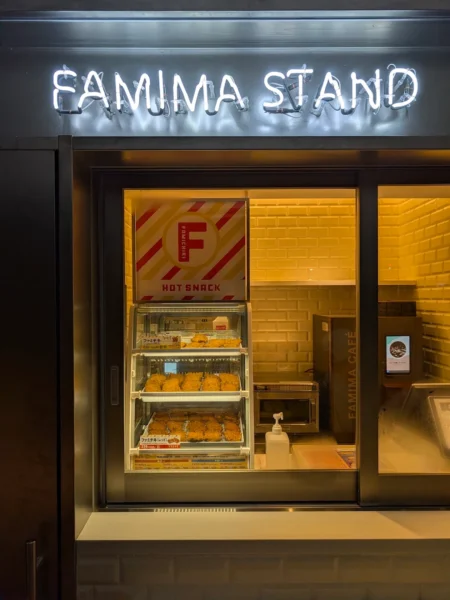
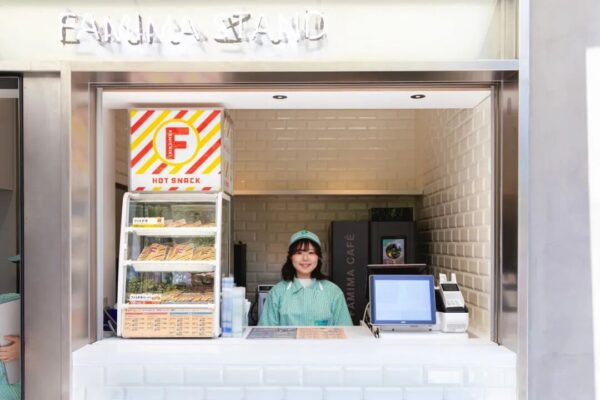
The 217‑square‑metre store breaks every convention. The exterior features a “Rooftop Forest” and the FAMIMA STAND – a takeout window for coffee, tea, or fried chicken (Famichiki) – with character‑themed benches inviting passers‑by to linger. Inside, the space feels more like a curated lifestyle boutique than a konbini.

The design borrows cues from familiar retail names:
- #Muji – the light‑coloured palette and storage‑unit shelves create a clean, minimalist vibe.


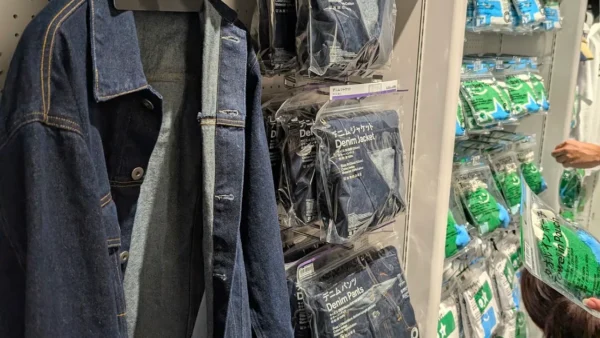
- #Uniqlo – the dedicated Convenience Wear shop‑in‑shop displays apparel like a full clothing store.
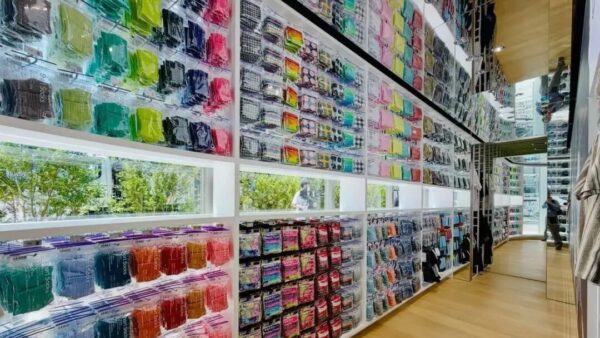
- #DonQuijote – the drugstore and cosmetics section feels dense and treasure‑hunt‑like.

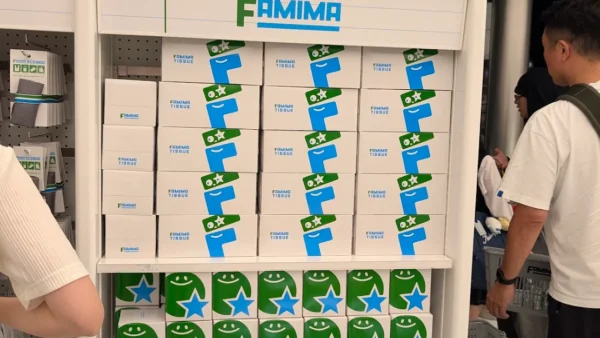
- #Seijo Ishii – the self‑service food displays resemble upscale supermarket delis.
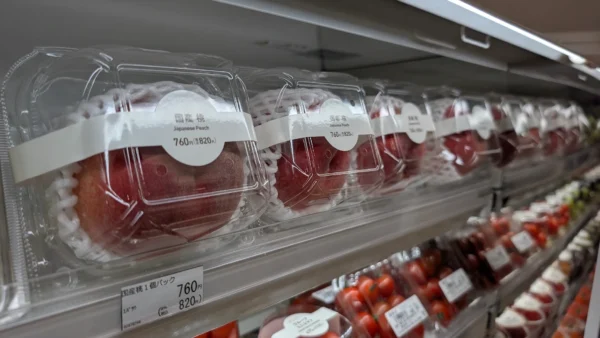


- A drive‑thru feel – the FAMIMA STAND lets customers order without entering the store.
- American‑style restrooms – similar to those in U.S. convenience stores.

The philosophy echoes Scott Hartman of Rutter’s concept: the longer customers stay, the more they spend. Lower shelving, wider aisles, and glass frontage create a browse‑able atmosphere, while the checkout counter is designed as a kiosk, with products displayed on the back wall – keeping the sense of discovery right up to the final moment.
Convenience Wear: From Emergency to Everyday Lifestyle
The most ambitious move is the full Convenience Wear shop‑in‑shop. Developed with fashion designer, it features the complete seasonal collection – about 300 items – displayed like a boutique, complete with interactive touchscreens, dedicated staff, and – for the first time in a FamilyMart – fitting rooms.

This signals a fundamental shift: buying clothes at a convenience store used to be an emergency purchase. The fitting room changes the logic – customers now choose clothes at FamilyMart Co.,Ltd. because they want to, not because they have to.

The numbers back this up: in fiscal 2025, FamilyMart’s apparel business generated approximately ¥20 billion (about US$135 million) – double the figure from two years earlier. Cumulative sales of FamilyMart’s colour socks reached 30 million pairs, and its Imabari towel handkerchiefs surpassed 10 million units.
Coffee, Tea, and Space to Stay
The food offering targets 20‑to‑40‑year‑old professionals with “urban‑style” prepared foods emphasising vegetables, protein, and quality ingredients. The coffee programme, developed with a world‑class barista, offers multiple blends with distinct flavour profiles.
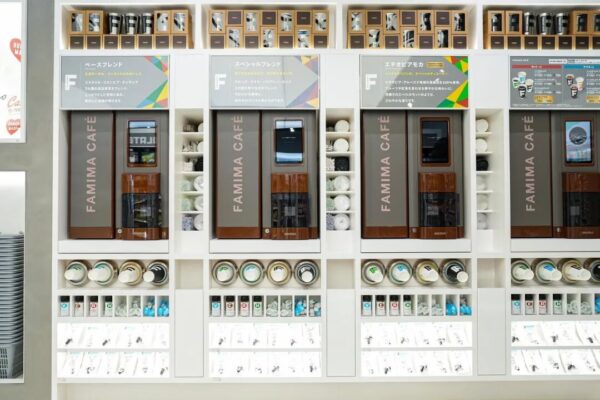
Outside, the FAMIMA STAND serves freshly brewed tea lattes (Earl Grey, jasmine, and fruit‑based) made with espresso machines – a far cry from standard convenience store coffee machines. Glass‑fronted seating areas inside, along with character‑themed benches outside, invite customers to sit, sip, and stay – reinforcing the “linger‑and‑spend” model pioneered by #Rutter’s.

A Tale of Two Checkout Areas
The store distinguishes two checkout zones:
- The main counter – designed as a kiosk, it does not hide products behind tobacco, liquor or service equipment. Instead, the entire back wall is used to display limited‑edition merchandise and themed items, turning the checkout into a final discovery point.

- The self‑checkout corner – a private, dedicated space reminiscent of a bank ATM area. It houses self‑checkout kiosks, an ATM, a copy machine, and a microwave for self‑service heating – all in one corner, alongside restrooms, making it efficient for quick transactions.

The Numbers That Explain the Strategy
According to statistics shows, as of January 2026, Japan had approximately 57,000 convenience stores. FamilyMart itself operates around 16,400 stores across the country.
President Odani Tatsuo acknowledged the reality: “It is difficult to achieve growth simply by increasing the number of stores.” The answer lies in increasing per‑store value – turning convenience stores from places customers pass through into destinations they seek out.
An Industrial Perspective
This evolution aligns with a broader industry trend championed by NACS : the shift from “convenience” as a functional attribute to “convenience” as an experience destination. The FAMIMA PARK AZABUDAI store is a real‑world test of how retailers can blend foodservice, apparel, emotion, pharmacy, and lifestyle services – exactly the kind of innovation that #NACS encourages through its global summits and awards programmes.

The Final Word

CEO of AACS Theo Foukkare tested Famichiki at Famima Store in 2025
“The convenience store industry has been evolving since its birth – from the days when Judy Thomson started it 99 years ago, when the ice business could no longer sustain itself and embracing fuel retail gave convenience stores new life. FamilyMart is now testing and transforming convenience store foodservice, apparel, and pharmacy – or perhaps lifestyle discount stores like #TrialGo and #MyBasket. No matter how it transforms, only by truly responding to consumer needs can it become a sustainable business.”
By George Zheng, NACS Asia Pacific Director
